The reconstruction of truth and the justice processes, as well as dignified treatment for the deceased and their return to their families, require state institutions with appropriate investigative approaches, technical capabilities and humanitarian perspectives. EAAF seeks to contribute scientific knowledge and its experience working with victims and relatives to help shape the development of public policies, recommendations and forensic protocols. In particular, it collaborates in the development, training and implementation of standards for forensic investigation of human rights violations and works to improve state agencies’ capacity to respond to the involuntary disappearance of individuals.
Among other activities, EAAF has served as a permanent advisor to the Euro-Mediterranean Federation Against Enforced Disappearances (FEMED) since 2015, and has been part of the Forensic Advisory Group to the United Nations Special Rapporteur on extrajudicial, summary or arbitrary executions (OHCHR) since 2022.
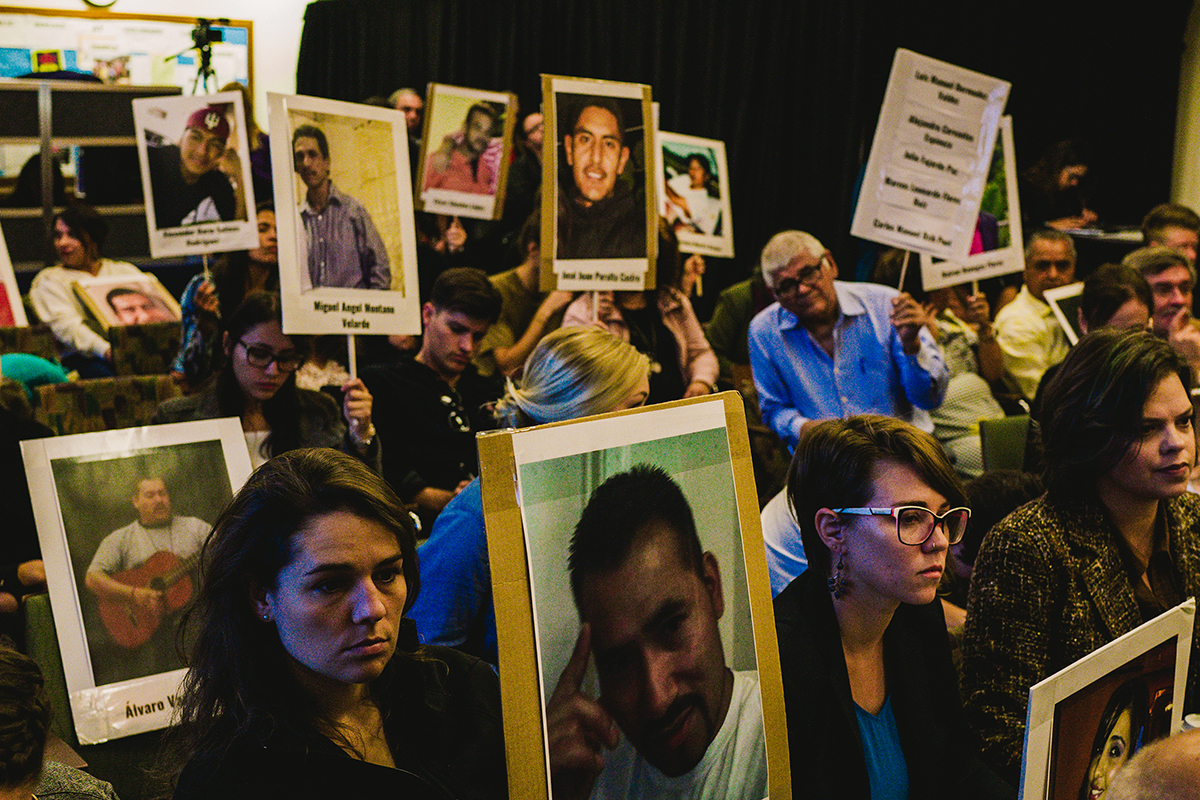
EAAF has participated since 2015 in the External Support Mechanism for Search and Investigation (Mecanismo de Apoyo Exterior de Búsqueda e Investigación), which aims to ensure that families have access to the Mexican judicial system from their countries of origin. It also participates in the Roundtable on the Search for Missing Migrants (Mesa de Búsqueda de Personas Migrantes Desaparecidas), which has facilitated search and rescue or forensic searches for missing migrants since 2021, from a transnational perspective and operational approach.
PROTOCOLS Y GUIDELINES
Minnesota Protocol and Guiding Principles
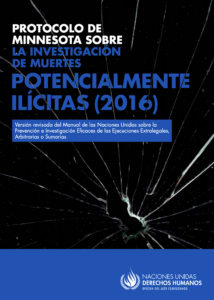
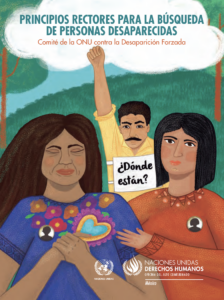
The Team has contributed to the revision of the Minnesota Protocol on the Investigation of Potentially Unlawful Death (UN, 2016), globally accepted as the standard for forensic work in human rights violations, and to the Guiding Principles for the Search for Disappeared Persons (UN, 2019), which guarantees the right of victims and their families to a continuous and effective search using a humanitarian approach and specific forensic tools, such as databases. For the last ten years, EAAF has been called upon around the world to collaborate on effective implementation of the protocol and the guiding principles.
.
.
Guides by the International Committee of the Red Cross Advisory Board
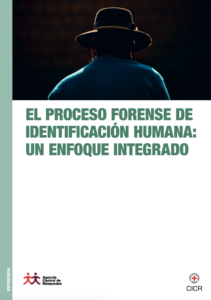
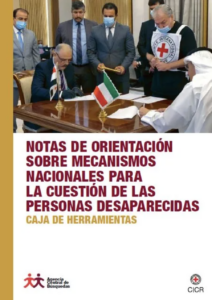
EAAF has been part of the International Committee of the Red Cross (ICRC) Forensic Advisory Board since 2010. Among other activities, in 2022 EAAF drafted the ICRC guide on forensic identification and two of the ICRC’s Guidance Notes for states on the creation of National Mechanisms for Missing Persons (GN9 and GN10).
.
Protocols for Investigating Cases of Gender-Based Violence
To contribute to the sanction and prevention of the specific forms of violence suffered by women and LGBTIQ+ individuals, gender-sensitive investigations that effectively follow appropriate guidelines and protocols are needed.
EAAF contributed to this approach during the identification of the bodies of murdered women in Ciudad Juárez, Mexico. In 2009, the Team served as an expert witness in the Campo Algodonero trial, conducted by the Inter-American Court of Human Rights. The judgment holding the Mexican state responsible is considered the first by that Court to establish parameters for identifying, preventing, investigating, prosecuting and punishing gender-based violence using a specific judicial and forensic perspective.
In the wake of this ruling and the Declaration, a decade of drafting protocols and guidelines for investigations into femicides and gender-based crimes began, with EAAF participating in their discussion and drafting at both the local and international levels.
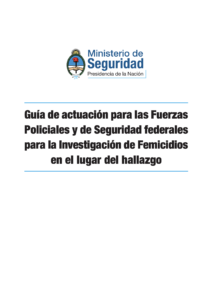
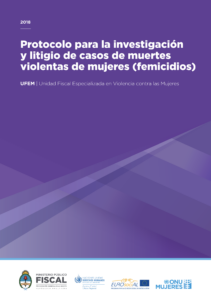
In Argentina, EAAF collaborated on the “Protocol for the Investigation and Litigation of Cases of Violent Deaths of Women (Femicide)” (“Protocolo para la investigación y litigio de casos de muertes violentas de mujeres (femicidios)”) by the Special Prosecutor’s Unit on Violence against Women (Unidad Fiscal Especializada en Violencia contra las Mujeres, UFEM) and on the “Guide on Federal Police and Security Force Actions to Investigate Femicides at the Scene of the Findings” (“Guía de actuación para las Fuerzas Policiales y de Seguridad federales para la Investigación de Femicidios en el lugar del hallazgo”).
Identification of Missing Migrants
EAAF actively participates in international and inter-institutional forums and groups related to searching for and identifying missing migrants.
In cooperation with the director of the Pathology Unit at the Forensic Medicine Institute (Instituto de Medicina Legal) in Madrid and the Spanish Society of Forensic Pathology (Sociedad Española de Patología Forense, SEPAF), EAAF co-organized a Technical Working Group composed of the heads of the Pathology Services at the Forensic Medicine Institutes in the border regions of Spain most affected by this issue (Canary Islands, Andalusia, Murcia, Valencian Community, Ceuta, Melilla and the Balearic Islands), which led to the drafting of the Proposed Protocol for Forensic Pathology Services in the Management and Identification of Deceased Migrants at the Border, in collaboration with EuroMed Rights and the Immigrants’ Rights Clinic at the University of Chicago Law School.
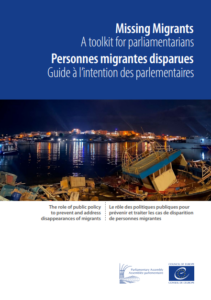
This work was cited as an important reference by the Parliamentary Assembly of the Council of Europe, held in Strasbourg in 2025, during discussions on the main challenges and public policies needed to prevent and address disappearances of migrants. That meeting ultimately produced a guide on this topic entitled Missing Migrants: A toolkit for Parliamentarians.